Teaching children about personal boundaries is one of the most important steps in protecting their emotional and physical wellbeing. Between ages 5 and 10, children begin developing independence, friendships, and awareness of social rules. This makes it the ideal time to introduce calm, age-appropriate conversations about safe boundaries, feelings, and trusted adults.
In this guide, we’ll explain how to teach personal boundaries in a way that feels safe, empowering, and practical for both parents and schools.
What Are Personal Boundaries?
Personal boundaries are the invisible lines that help children understand:
• What feels safe and comfortable
• What does not feel safe
• When to say yes
• When to say no
Boundaries help children understand that their body, feelings, and voice matter.
Teaching boundaries is not about fear. It is about awareness and confidence.
Why Ages 5–10 Matter Most
Children aged 5–10:
• Start spending more time outside the home
• Form independent friendships
• Begin using digital devices
• Encounter new adults in school or activities
This stage is critical because children are still open to guidance but old enough to understand simple safety language.
How to Explain Boundaries in Child-Friendly Language
Keep it simple.
You might say:
“Your body belongs to you.”
“You can say no if something feels uncomfortable.”
“If something makes you feel worried, confused, or unsafe, tell a trusted adult.”
Use real-life examples like:
• Sharing toys
• Hugging relatives
• Online messages
• Secrets that feel uncomfortable
Avoid complex terms. Keep it calm and consistent.
One helpful way to reinforce this idea is by helping children understand their safe circle — the trusted adults they can turn to if something feels uncomfortable or confusing.
Teach the Difference Between Safe and Unsafe Secrets
Children should understand:
Safe secrets:
• Surprise parties
• Birthday gifts
Unsafe secrets:
• Anything that makes them feel scared
• Secrets about touching
• Secrets that someone says must “never be told”
This helps them recognise red flags early.
Reinforce Safe Help-Seeking
Teach children to identify:
• 3–5 trusted adults
• School staff
• Parents
• Carers
Make it clear:
They will never be in trouble for speaking up.
Using Storybooks to Support Boundary Conversations
Stories make difficult topics feel safe.
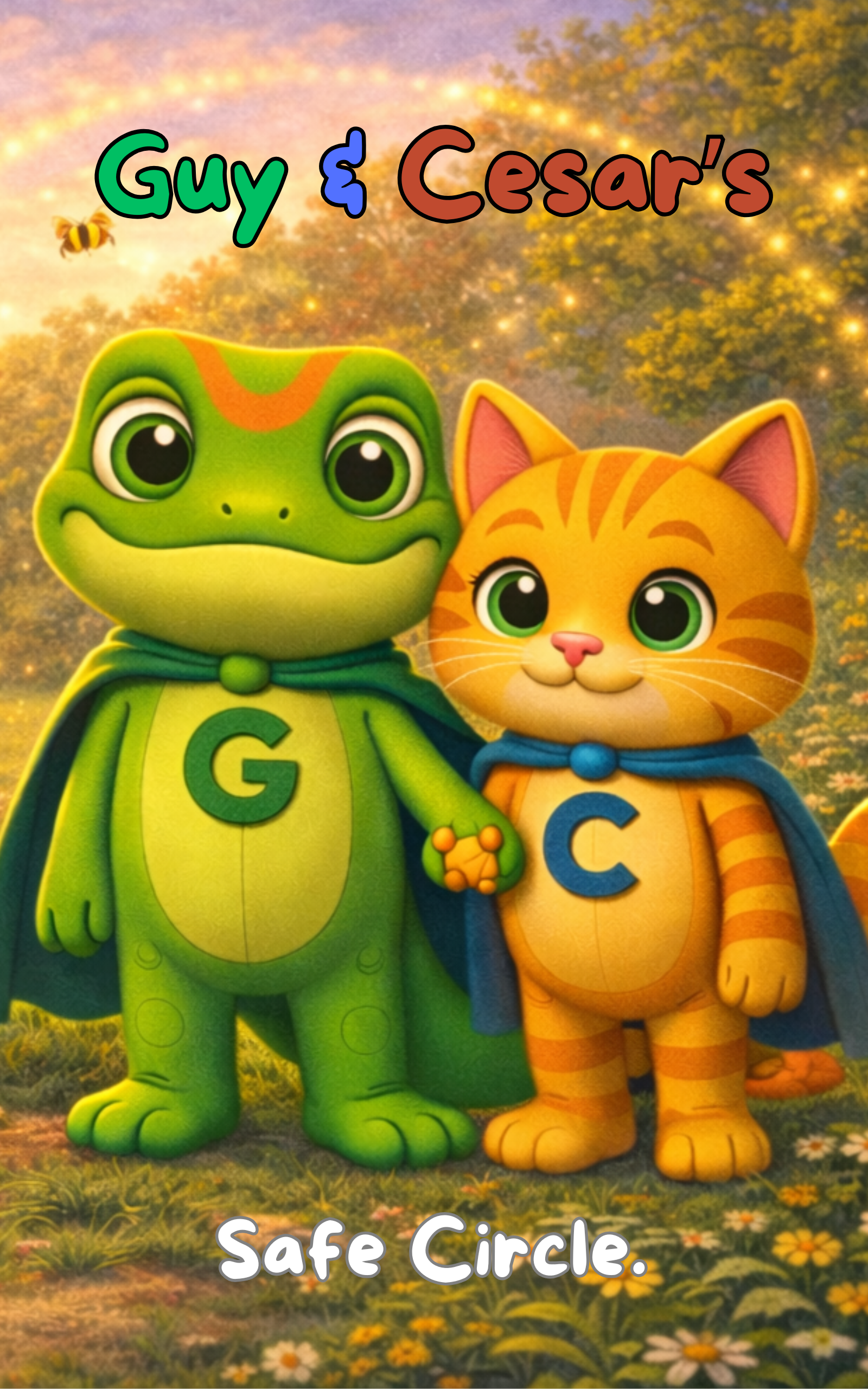
Books like Guy & Cesar’s Safe Circle introduce boundary concepts in gentle, child-friendly language. The story focuses on feelings, trusted adults, and recognising when something doesn’t feel right — without overwhelming children.
Story-led conversations reduce anxiety and increase understanding.
You can explore the Safe Circle book here:
For adults who want structured safeguarding guidance, the Safe Circle Adult Toolkit provides step-by-step support:
Practical Tips for Parents and Schools
• Keep conversations ongoing — not one big talk
• Stay calm and neutral
• Avoid scary language
• Praise children for speaking honestly
• Revisit the topic occasionally
Consistency builds confidence.
Final Thoughts
Teaching children about personal boundaries is not about creating fear. It is about building awareness, confidence, and communication.
When adults take proactive steps early, children grow stronger, more aware, and better equipped to navigate the world safely.