
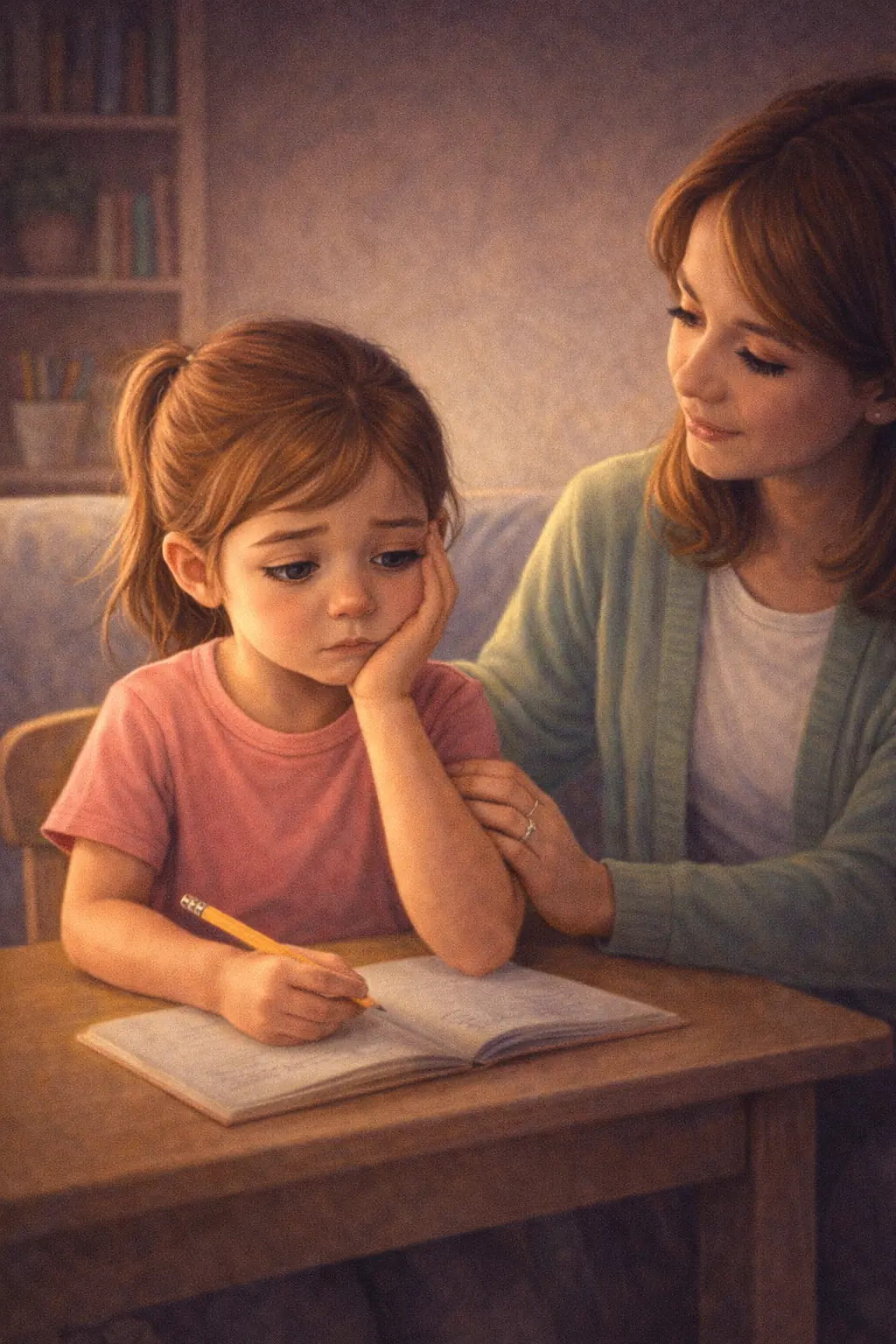
Children do not always say when something feels wrong. Some children talk openly about worries, sadness, or fear, but many show distress in quieter ways.
A child aged 5–10 may not have the words to explain what they are feeling. They may also worry about getting into trouble, upsetting an adult, or not being believed.
Because of this, emotional struggle often appears through behaviour, mood, body language, or changes in routine rather than clear disclosure.
For parents, carers, and schools, learning to notice these signs can make a big difference. Gentle early support can help a child feel safer, understood, and more able to speak when they are ready.
Why Children Do Not Always Say Something Is Wrong
Children stay silent for many different reasons.
Some may not understand their own feelings clearly enough to explain them. Others may fear blame, shame, punishment, or making things worse.
A child may also stay quiet because they are:
-
confused about what is happening
-
trying to cope on their own
-
worried about upsetting an adult
-
unsure whether their feelings matter
-
unable to find the right words
Silence does not always mean everything is fine. Sometimes it means a child needs more support, safety, and time.
Emotional Struggle Often Shows Up Through Behaviour
When children cannot express distress directly, it often appears in everyday behaviour.
This may include:
-
becoming more clingy than usual
-
seeming quieter or more withdrawn
-
becoming easily frustrated or tearful
-
having sudden angry outbursts
-
avoiding school or certain activities
-
seeming unusually tired or distracted
-
losing interest in things they normally enjoy
These changes do not always mean something serious is wrong. However, they can be important signs that a child is struggling emotionally and needs attention and support.
Physical Signs Adults May Notice
Emotional distress can also affect the body.
A child may complain more often about:
-
stomach aches
-
headaches
-
trouble sleeping
-
nightmares
-
changes in appetite
-
feeling unwell without a clear cause
Sometimes these signs are linked to stress, worry, grief, fear, or emotional overload.
If physical complaints happen repeatedly, especially around school, certain people, or specific situations, it may help to gently explore whether something emotional is going on underneath.
Changes in Mood and Confidence
Adults may also notice changes in the way a child sees themselves or responds to everyday situations.
A child who is struggling may:
-
lose confidence more quickly
-
become unusually sensitive to small problems
-
seem worried about making mistakes
-
need constant reassurance
-
appear sad without explaining why
-
stop joining in as much as before
These changes can build slowly, which makes them easy to miss at first. Looking for patterns over time is often more helpful than focusing on one moment alone.
What Adults Should Pay Attention To
It can help to look for changes rather than isolated behaviours.
Questions adults can ask themselves include:
-
Has the child’s behaviour changed suddenly?
-
Does the child seem different in more than one setting?
-
Is the child avoiding something they usually enjoy?
-
Are they becoming quieter, more emotional, or more reactive?
-
Are physical complaints happening more often?
A pattern of small changes can sometimes tell us more than one big sign.
How to Respond Without Pressuring the Child
When adults notice a child may be struggling, it helps to respond gently.
Try to:
-
Stay calm and observant.
-
Avoid pushing for immediate answers.
-
Create regular chances for quiet conversation.
-
Use simple, open questions.
-
Reassure the child that they are safe to talk.
Children are often more likely to open up when they do not feel interrogated or rushed.
Helpful Questions to Open a Conversation
Instead of asking, “What is wrong with you?” it can help to use calmer and more open language.
For example:
-
“You do not seem quite yourself lately. I just wanted to check in.”
-
“I have noticed you have seemed a bit quieter recently.”
-
“Is anything feeling hard at the moment?”
-
“You can talk to me if something is worrying you.”
-
“You do not have to explain everything right now, but I am here.”
These kinds of responses reduce pressure and help children feel supported rather than judged.
Why Safety and Trust Matter
Children are more likely to share difficult feelings when they believe the adult will stay calm.
If a child expects anger, panic, punishment, or dismissal, they may say less rather than more.
Adults can build trust by:
-
listening without interrupting
-
not reacting with blame
-
taking small worries seriously
-
thanking the child for sharing
-
making it clear that help is available
A calm response can make future conversations much easier.
Using Stories to Support Emotional Awareness
Stories can help children recognise feelings they cannot yet name.
Through characters and familiar situations, children can explore worry, sadness, fear, confusion, and reassurance in a way that feels safer and less direct.
The Guy & Cesar storybooks help support child-friendly conversations around feelings, communication, safety, and emotional wellbeing.
These resources can help adults start important conversations and help children feel less alone in what they are experiencing.
Practical Tips for Parents and Schools
To support a child who may be struggling emotionally:
-
notice patterns in behaviour, mood, and physical complaints
-
make time for calm one-to-one moments
-
use open, non-judgemental language
-
avoid rushing the child to explain everything
-
offer reassurance without pressure
-
seek extra support if concerns continue or grow
Often, quiet consistency helps more than one intense conversation.
Final Thoughts
Children do not always say when they are struggling emotionally. Sometimes the signs appear through behaviour, routine, physical complaints, or changes in mood.
By noticing patterns, responding calmly, and creating safe opportunities to talk, adults can help children feel more supported and more able to share what they are experiencing.
Early emotional support can strengthen trust, improve communication, and help children feel safer as they work through difficult feelings.
You can explore the books here
Professionals and parents can also access structured safeguarding resources here
You can explore our Toolkits here