
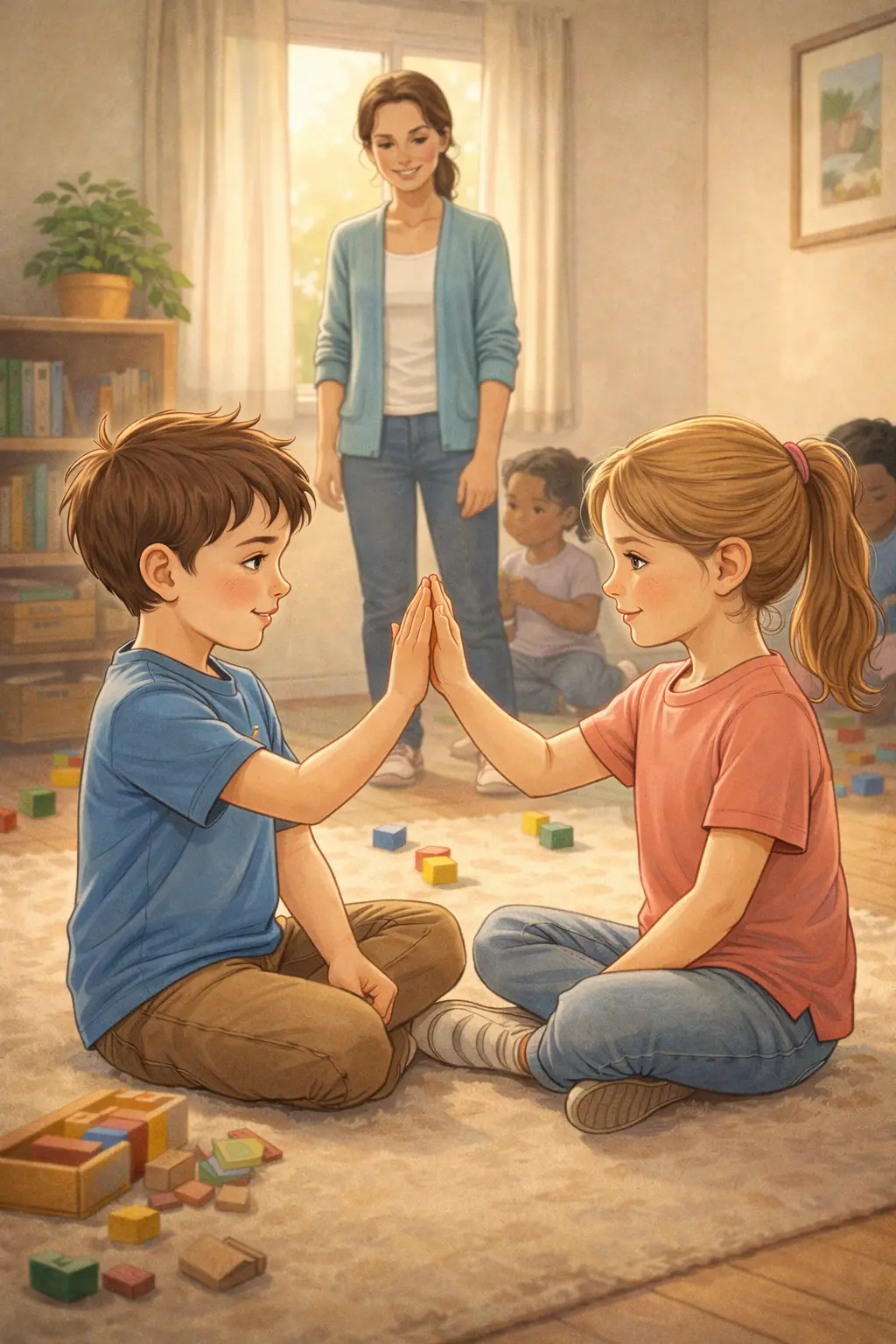
Teaching children respect between boys and girls from an early age helps shape the way they speak, play, listen, and treat one another as they grow.
Children begin forming ideas about relationships, fairness, power, kindness, and behaviour much earlier than many adults realise. They notice how people talk to each other, how they are treated, what gets laughed at, and what is seen as acceptable.
That is why respectful behaviour should be taught early, clearly, and consistently.
When children learn that boys and girls both deserve kindness, fairness, boundaries, and dignity, they are more likely to build healthier friendships and safer attitudes as they grow older.
Why Respect Between Boys and Girls Should Be Taught Early
Children are always learning from the world around them.
They may hear messages from:
-
home
-
school
-
friends
-
television
-
games
-
online videos
-
social media content around older children or adults
Some of these messages are healthy. Some are not.
A child may begin picking up ideas that boys should be dominant, girls should stay quiet, teasing is harmless, or unkindness is just part of growing up.
That is why adults should not leave respectful behaviour to chance.
Teaching respect between boys and girls early helps children build better habits before unhealthy attitudes become normal.
What Respect Between Boys and Girls Looks Like in Everyday Life
For young children, respect is not a complicated theory. It is shown through everyday actions.
It can look like:
-
listening when someone is speaking
-
taking turns fairly
-
not mocking or humiliating others
-
respecting personal space
-
using kind words
-
accepting “no” the first time
-
not trying to control games or friendships
-
treating boys and girls as equally important
These simple behaviours are the building blocks of healthy relationships later on.
Children Learn from What They See
Adults often focus on what children are told, but children also learn strongly from what they watch.
They notice:
-
how adults speak to women and men
-
whether girls and boys are treated fairly
-
whether jokes are kind or degrading
-
whether someone is interrupted, ignored, or mocked
-
how conflict is handled
-
whether apologies are expected after harm
This means respectful behaviour must be modelled as well as explained.
Children are more likely to copy what adults do consistently than what adults say once.
Teach That Kindness Is Not Weakness
Some children absorb the idea that being gentle, thoughtful, or respectful is somehow less powerful than being loud or controlling.
That message needs to be challenged early.
Children should learn that:
-
kindness shows strength
-
fairness matters
-
respect does not make someone weak
-
listening is a skill
-
control is not the same as confidence
-
nobody has the right to make someone else feel small
These messages help children build a healthier understanding of confidence and behaviour.
Help Children Understand Boundaries
Respect between boys and girls also includes boundaries.
Children need simple guidance such as:
-
everyone has a right to personal space
-
nobody should be pushed, grabbed, pressured, or mocked
-
people are allowed to say no
-
stopping means stopping
-
jokes should never make someone feel unsafe or ashamed
Teaching boundaries early helps children understand that respect is not only about being polite. It is also about safety, consent, and emotional wellbeing.
Challenge Unkind Behaviour Calmly and Clearly
When children say something rude, mocking, or unfair about boys or girls, adults should respond calmly and clearly.
You might say:
-
“We do not speak about people like that.”
-
“Girls and boys both deserve respect.”
-
“That joke is not kind.”
-
“Being mean does not make someone strong.”
-
“Let’s think about how that would feel if it was said to you.”
These responses help correct behaviour without shaming the child.
The goal is not to humiliate them. The goal is to guide them.
Encourage Empathy in Simple Ways
Empathy is one of the strongest foundations for respectful behaviour.
Children can be encouraged to ask:
-
“How would that make someone feel?”
-
“Would I like that said to me?”
-
“Was that fair?”
-
“Did that make the game feel safe and kind?”
-
“What could I say instead?”
These questions help children slow down and think beyond impulse or imitation.
Do Not Treat Disrespect as “Just a Phase”
Some adults dismiss rude behaviour between boys and girls as harmless teasing or a normal part of childhood.
But repeated unkindness can shape attitudes over time.
If disrespect is ignored, children may begin to believe that:
-
teasing is normal
-
control is acceptable
-
embarrassment is funny
-
girls should tolerate poor treatment
-
boys should hide emotions and act tough
Early correction matters because childhood attitudes often become later habits.
Use Stories and Everyday Moments to Teach Respect
Children often learn best through stories, play, and simple real-life moments.
Adults can use books, conversations, playground incidents, or everyday disagreements to talk about:
-
fairness
-
kindness
-
listening
-
boundaries
-
apology and repair
-
treating people equally
These smaller moments are often more effective than one big lecture.
Final Thoughts
Teaching respect between boys and girls from an early age helps children build healthier attitudes, safer friendships, and stronger emotional understanding.
It teaches that nobody should be mocked, controlled, pressured, or treated as less important.
It teaches that respect is part of kindness, safety, fairness, and healthy communication.
When adults guide these lessons early, children are more likely to grow into young people who treat others with dignity and know how to expect the same in return.
You can explore the books here
Professionals and parents can also access structured safeguarding resources here
You can explore our Toolkits here