
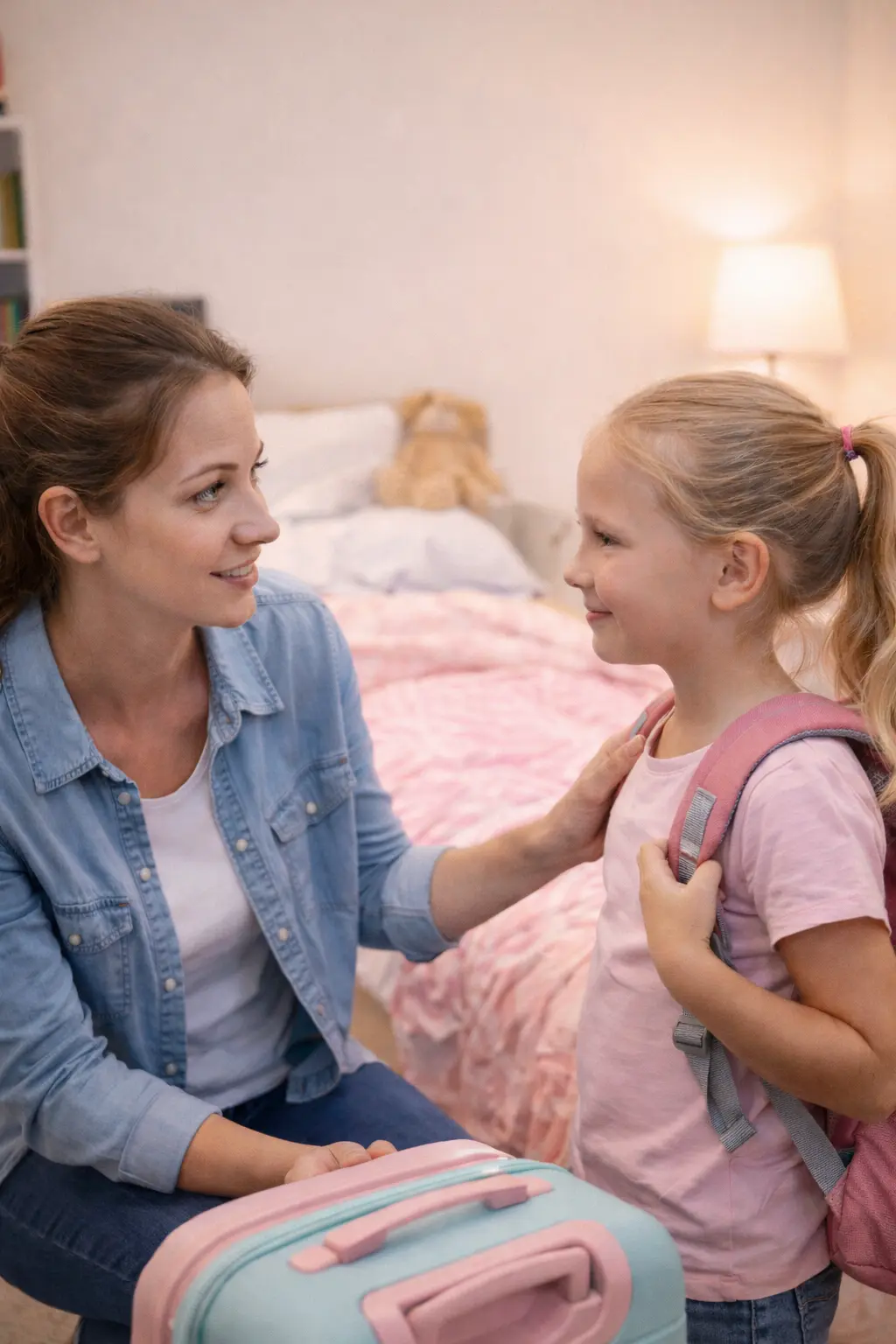
How to Prepare a Child for a Sleepover or Overnight Trip (Ages 5–10)
Parents and schools can help prepare a child for a sleepover or overnight trip by giving calm, practical guidance before the child is away from home.
For children aged 5–10, staying overnight somewhere else can feel exciting, unfamiliar, and sometimes overwhelming. Whether it is a sleepover, school residential, family stay, club trip, or group activity, children need simple safety language, clear boundaries, and reassurance that they can always speak up.
Why this matters
Sleepovers and overnight trips are common parts of childhood.
They can help children build confidence, friendships, independence, and new experiences. But they also place children in settings where routines are different, supervision may feel lighter, and parents are not right beside them.
That is why adults should think about preparation, not just permission.
For younger children, safety in these situations includes:
-
knowing who is in charge
-
understanding body boundaries
-
knowing how to ask for help
-
knowing they can call home if needed
-
understanding that feeling uncomfortable is a reason to speak up
Prepare a child for a sleepover with calm conversations
To prepare a child for a sleepover well, adults do not need to frighten them or turn the experience into a warning session.
What children need most is calm, simple preparation.
A short conversation before the event can help a child feel more confident about:
-
where they are going
-
who will be there
-
what the routine will be
-
who they can go to for help
-
what to do if something does not feel right
The aim is to help the child feel ready, not worried.
What children should know before staying away from home
Before a sleepover or overnight trip, children should know a few basic things clearly.
They should know:
-
where they are staying
-
which adults are in charge
-
how long they will be there
-
how to contact home
-
where they will sleep
-
what the plan is for toilets, washing, and getting changed
-
that they can ask questions at any time
Children often feel safer when there are no hidden surprises.
Even simple practical details can make a big difference to their confidence.
Teach body boundaries clearly
A sleepover or overnight stay is a good time to repeat calm body-boundary messages.
Children should know:
-
their body belongs to them
-
they do not have to join in with anything that feels wrong
-
they can say no to unwanted touch, play, or dares
-
they do not have to get changed in front of others if they feel uncomfortable
-
they should tell a trusted adult if someone crosses a boundary
-
they should never be told to keep a secret about something that made them feel uneasy
These messages should be simple, steady, and age-appropriate.
The goal is to build confidence, not fear.
Help children understand that homes have different rules
One reason sleepovers can feel confusing is that different homes and settings have different rules.
Children need help understanding that some differences are normal, but unsafe or uncomfortable situations should still be spoken about.
You can explain:
-
“Different families do things differently, but you can still tell me if something feels wrong.”
-
“You do not have to go along with something just because other children are doing it.”
-
“You can always ask an adult for help.”
-
“You can always call home if you need to.”
This helps children understand the difference between ordinary differences and genuine discomfort.
What parents should check first
Before agreeing to a sleepover or overnight activity, parents should make some sensible checks.
That may include knowing:
-
whose home or setting it is
-
which adults will be present
-
whether the child already knows the family or group
-
sleeping arrangements
-
supervision arrangements
-
how children will contact home
-
whether there are older children present
-
collection plans if the child wants to come home early
This is not about being difficult.
It is about making sure the setting feels organised, safe, and appropriate for the child’s age.
What schools should think about for overnight trips
Schools supporting overnight stays or residential activities should also prepare children clearly.
Schools can help by:
-
explaining the trip routine in advance
-
telling children which adults they can go to for help
-
reinforcing boundaries and speaking-up messages
-
helping children understand sleeping and changing arrangements
-
making sure children know what to do if they feel worried at night
-
communicating clearly with parents before the trip
For younger children especially, predictability helps reduce anxiety and increases safety.
What adults can say before the overnight stay
Short, calm scripts often work best.
Adults might say:
-
“If you feel worried, you can tell the adult in charge.”
-
“If something feels wrong or confusing, speak up.”
-
“You do not have to join in with silly or uncomfortable dares.”
-
“You can call home if you need to.”
-
“It is okay to want to come home.”
-
“You will not be in trouble for telling the truth.”
These messages can help children feel safer and less trapped if something unexpected happens.
When a child says they do not want to go
Sometimes a child simply changes their mind or feels nervous.
But sometimes hesitation is worth listening to carefully.
If a child says they do not want to go, stay calm and ask gentle questions such as:
-
“What feels hard about it?”
-
“Is there anything you are worried about?”
-
“Does something about the plan not feel comfortable?”
-
“Is it the sleeping away part, or something else?”
Children do not always explain worries clearly the first time.
A child might say they “just don’t want to” when they really mean they feel embarrassed, unsure, socially anxious, or uncomfortable about part of the situation.
Children should know they can leave
One of the most protective messages adults can give is this:
A child should know they are allowed to leave, call home, or ask for help.
Children can sometimes feel they must stay quiet to avoid being rude, embarrassing someone, or spoiling the event.
Adults need to make it clear that safety comes before politeness.
A child should never feel trapped in a situation that feels upsetting, confusing, or unsafe.
Sleepovers are not right for every child at every stage
It is also important to remember that not every child is ready for a sleepover or overnight trip at the same age.
Some children are confident early. Others need more time.
That does not mean something is wrong.
Children differ in:
-
confidence levels
-
sensory comfort
-
separation anxiety
-
toileting confidence
-
sleep routines
-
emotional readiness
Adults should avoid pressure and think about the individual child, not just what other children are doing.
A simple rule to remember
A useful rule is this:
To prepare a child for a sleepover well, adults should focus on safety, clarity, and permission to speak up.
That keeps the experience supportive, practical, and age-appropriate.
Final thoughts
Sleepovers and overnight trips can be enjoyable, confidence-building experiences for children.
But they work best when adults prepare children properly, think carefully about supervision and boundaries, and make it clear that children can always speak up, ask for help, or come home if needed.
When parents and schools take this calm, preventative approach, children are more likely to feel safe, supported, and ready for time away from home.
You can explore the books here
Professionals and parents can also access structured safeguarding resources here
You can explore our Toolkits here