When children spend time online, they are not only watching videos or playing games. They are also taking in messages about how people speak, how they treat others, and what kinds of behaviour get attention.
Adults need to help children spot harmful online influences before those messages shape behaviour. Some online content can quietly affect the way a child thinks, speaks, or treats other people. A child may begin copying rude language, repeating unkind ideas, laughing at cruelty, or becoming drawn to behaviour that makes disrespect seem clever or powerful.
This does not mean a child is “bad,” and it does not mean they fully understand what they are copying.
It usually means they need calm guidance, clear values, and trusted adults who are paying attention early.
Why Adults Must Help Children Spot Harmful Online Influences Early
Not all harmful content looks extreme or obvious.
Sometimes it appears as:
-
“funny” clips that mock or belittle people
-
videos that encourage cruelty or dominance
-
influencers who present disrespect as confidence
-
repeated messages about power, control, or humiliation
-
content that makes empathy look weak
-
trends that reward shock, meanness, or cruelty
A young child may not understand the deeper meaning behind what they are seeing. They may simply notice that the content looks popular, powerful, or attention-grabbing.
That is why early safeguarding matters. Adults do not need to wait until behaviour becomes serious. Small signs are worth noticing.
Signs a Child May Be Taking In Harmful Online Influences
A child affected by harmful content may begin to:
-
copy mocking, rude, or controlling language
-
repeat ideas they do not fully understand
-
laugh at cruelty or humiliation
-
speak harshly about other people
-
become more secretive about what they watch
-
act as if kindness is weak or boring
-
show less empathy when someone is upset
-
push boundaries to test power or reaction
On their own, these signs do not prove anything. But if several begin appearing together, it is worth slowing down and exploring what the child is seeing and hearing.
Stay Calm and Curious First
If a child repeats something unpleasant or upsetting, the first step is not panic.
A strong reaction can make a child shut down, hide what they have seen, or repeat the behaviour for attention.
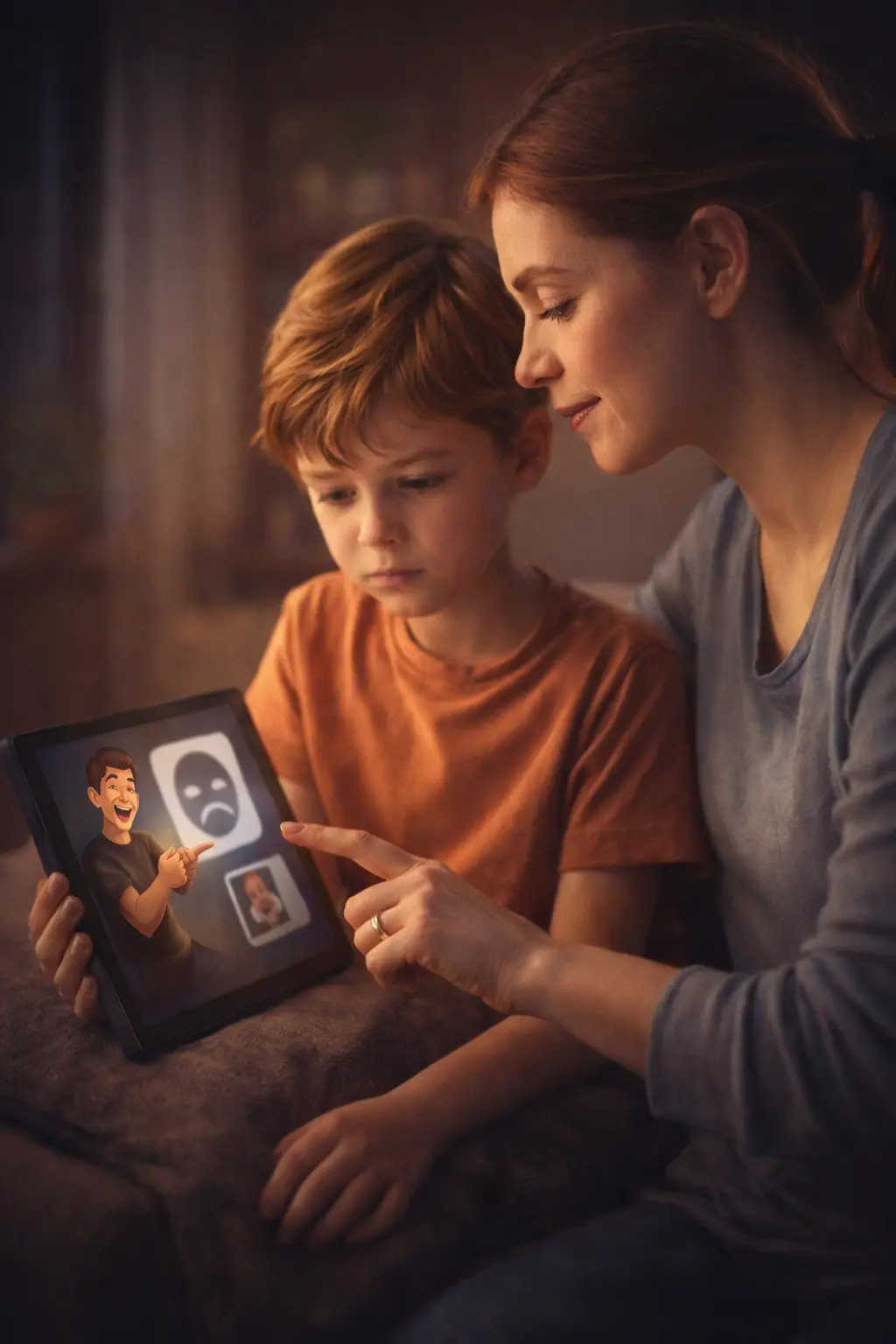
Instead, try to stay calm and curious.
You might say:
-
“That’s an interesting thing to say. Where did you hear that?”
-
“Can you tell me what you think that means?”
-
“Was that in a video or game?”
-
“How do you think that would make someone feel?”
This keeps the conversation open and helps you find out whether the child is confused, copying, testing boundaries, or beginning to absorb something deeper.
Help Children Understand the Difference Between Confidence and Harm
Children need help learning that strength is not the same as control.
You can explain in simple language that:
-
being confident does not mean being unkind
-
being funny does not mean humiliating someone
-
being strong does not mean frightening people
-
being popular does not mean being right
-
not everything online deserves to be copied
These simple distinctions help children build a healthier inner compass.
They learn to judge behaviour not by how loud, bold, or exciting it looks, but by whether it is safe, respectful, and kind.
Teach Children to Question What They See Online
One of the most protective skills a child can learn is to pause and question online content.
When adults help children spot harmful online influences, they give children a better chance of questioning unhealthy messages before they copy them.
For ages 5–10, this can be taught very simply.
Encourage children to ask:
-
“Is this kind?”
-
“Is this safe?”
-
“Would I want someone to speak to me like that?”
-
“Would a trusted adult be happy with this?”
-
“Is this trying to help, or just shock people?”
These questions give children a practical filter they can carry into videos, games, social platforms, and conversations with others.
Make Online Conversations a Normal Part of Everyday Life
Children are more likely to ask for help when online safety is part of normal family or classroom conversation.
Try short, regular check-ins such as:
-
“What did you watch today?”
-
“Did anything online feel confusing?”
-
“Did you see anything unkind?”
-
“Was anything trying to make people look silly or weak?”
-
“Did anything make you feel uncomfortable?”
These small conversations often work better than one big internet safety talk.
These regular conversations can also help children spot harmful online influences before those messages begin to feel normal.
What Parents and Schools Can Do Early
Early support can make a big difference.
Helpful steps include:
-
keeping an eye on the type of content a child returns to often
-
noticing sudden changes in language or attitude
-
setting clear boundaries around devices and platforms
-
watching or exploring content together when possible
-
talking openly about kindness, boundaries, and respect
-
correcting unhealthy ideas without shaming the child
-
working together between home and school if patterns appear
The earlier adults help children spot harmful online influences, the easier it is to guide behaviour in a safe and respectful direction.
The goal is not to frighten children or make them feel watched all the time.
The goal is to help them grow up with safe values, critical thinking, and trusted adults who guide them early.
Final Thoughts
When adults help children spot harmful online influences before they shape behaviour, children are more likely to build safe values, respectful behaviour, and stronger critical thinking.
Harmful online influences do not always arrive in obvious ways. Sometimes they appear through humour, trends, repeated phrases, or role models who make disrespect look normal.
That is why adults should not only ask whether content is safe in a technical sense. They should also ask what it is teaching.
When parents and schools notice early changes, stay calm, and keep conversations open, children are far more likely to learn that real confidence is respectful, real strength is safe, and real influence should never come at the expense of someone else’s dignity.
You can explore the books here
Professionals and parents can also access structured safeguarding resources here
You can explore our Toolkits here