
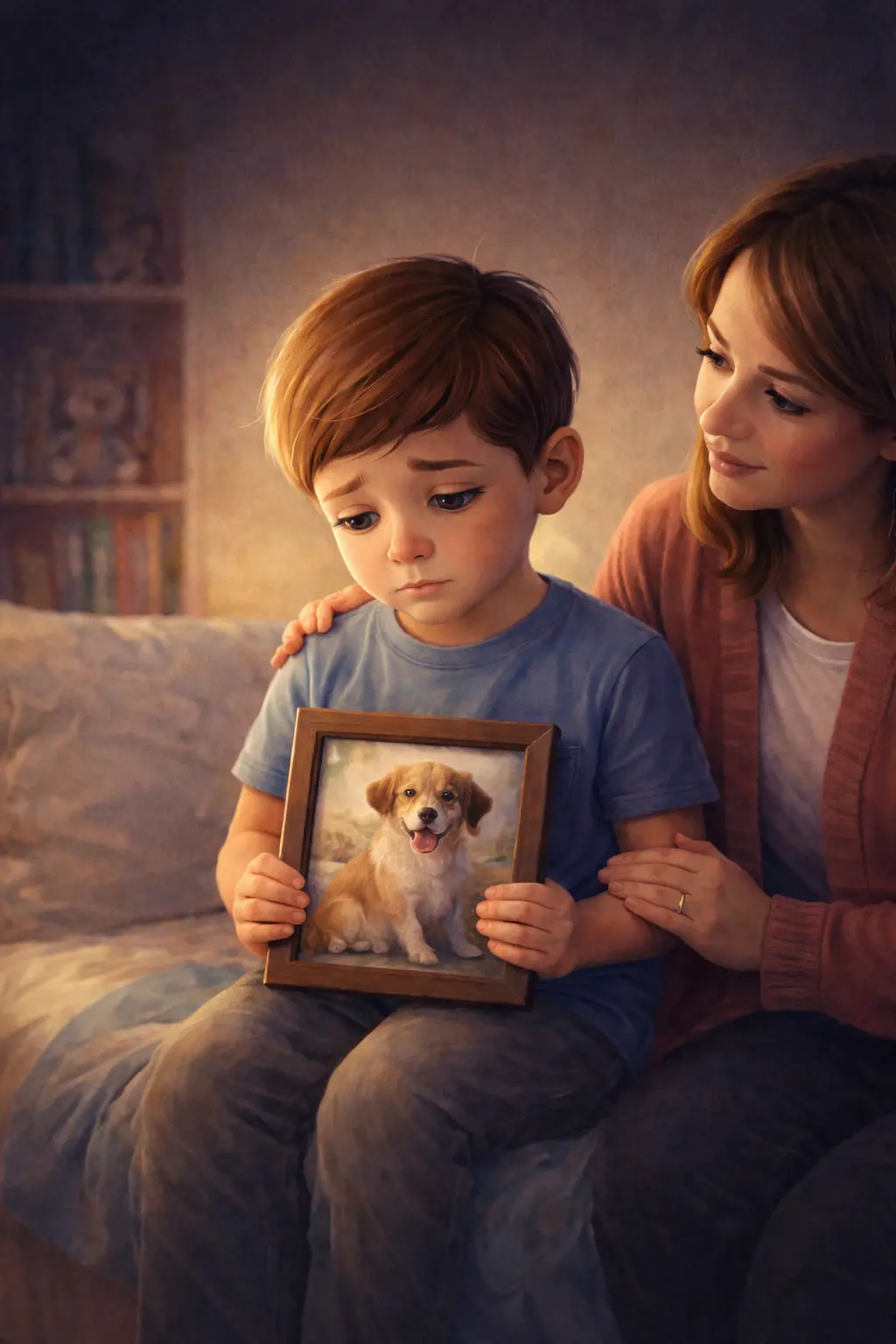
Many children form deep emotional bonds with pets. For a child aged 5–10, the death of a pet may be one of the first experiences of grief and loss.
This can feel confusing, upsetting, and difficult to understand. Some children may cry openly, while others may seem quiet, withdrawn, or ask the same questions again and again.
Helping a child cope with the death of a pet starts with honest, gentle conversation and reassurance. Children need space to feel sad, ask questions, and understand that their feelings are safe and normal.
For parents, carers, and schools, this can be an important opportunity to support emotional development, trust, and healthy communication.
Why the Death of a Pet Can Feel So Big to a Child
For many children, a pet is not just an animal. A pet may feel like a friend, companion, and part of the family.
Pets often provide comfort, routine, and affection. When that relationship ends, children can experience strong feelings of sadness, confusion, anger, or even guilt.
A child may say things like:
-
“When is he coming back?”
-
“Was it my fault?”
-
“Why did this happen?”
-
“Will other people die too?”
These questions are normal. Younger children often need time and repetition to understand what death means.
Using Clear and Honest Language
When talking to a child about the death of a pet, it helps to use simple and truthful language.
Avoid phrases that may confuse children, such as:
-
“Gone to sleep”
-
“Passed away”
-
“We lost him”
These phrases can sometimes make children frightened of sleep or confused about whether the pet might return.
Instead, use clear, age-appropriate language such as:
-
“He died.”
-
“His body stopped working.”
-
“He cannot come back, but we can still remember him and love him.”
Children do not need long explanations. They need calm, honest ones.
What Children May Feel After Losing a Pet
Children do not all grieve in the same way. Some may become tearful and clingy. Others may carry on playing and then suddenly become upset later.
Common reactions may include:
-
sadness
-
confusion
-
anger
-
worry
-
guilt
-
asking repeated questions
-
changes in sleep or mood
Some children may not have the words to explain how they feel. Their emotions may show through behaviour instead.
How to Support a Child Through the Death of a Pet
There are simple ways parents, carers, and teachers can help.
-
Be honest and calm.
-
Let the child ask questions.
-
Reassure the child that their feelings are normal.
-
Keep routines steady where possible.
-
Remember the pet together.
-
Watch for changes in behaviour.
Small, steady support often helps children feel safer than one long emotional conversation.
Simple Ways to Help a Child Remember a Pet
Small rituals can help children express grief in a safe and manageable way.
Some simple ideas include:
-
drawing a picture of the pet
-
making a memory box
-
writing a short goodbye message together
-
planting something in the pet’s memory
-
looking at photos and sharing happy memories
These activities can help children understand that although the pet has died, the relationship and memories still matter.
When a Child Starts Asking Bigger Questions
The death of a pet sometimes leads to wider questions about illness, dying, and safety.
A child may begin asking:
-
“Will you die too?”
-
“Will I die?”
-
“Why do things die?”
These questions should not be ignored. They are often a child’s way of trying to make sense of the world.
It is okay to respond calmly and simply. Children do not need every answer at once. They need a trusted adult who is willing to listen and stay present.
Why Open Conversations Matter
Children cope better with difficult emotions when they feel safe enough to talk.
Parents and teachers can support this by:
-
listening calmly
-
allowing questions
-
avoiding dismissive phrases
-
reassuring the child that sadness is okay
When children know they can talk without being rushed or corrected, they are more likely to seek support again.
Using Stories to Support Difficult Conversations
Younger children often understand difficult topics better through stories.
Stories can help children explore feelings, questions, and relationships in a way that feels safe and manageable.
The Guy & Cesar storybooks introduce important child-focused topics through calm, relatable characters and situations.
These stories help children understand feelings, ask questions, and build emotional awareness in a safe and accessible way.
Practical Tips for Parents and Schools
To support a child after the death of a pet:
-
use clear and honest language
-
allow the child to ask questions at their own pace
-
avoid rushing them to “move on”
-
keep routines steady where possible
-
notice emotional or behavioural changes that may show distress
Small conversations about loss can help children feel safer and more understood.
Final Thoughts
The death of a pet can be a child’s first experience of grief. Although it may seem like a small event to some adults, it can feel very significant to a child.
By responding with honesty, calm reassurance, and space for feelings, adults can help children process loss in a healthy and supported way.
Helping children talk about grief early can also build trust, emotional resilience, and confidence for future difficult conversations.
You can explore the books here
Professionals and parents can also access structured safeguarding resources here
You can explore our Toolkits here