
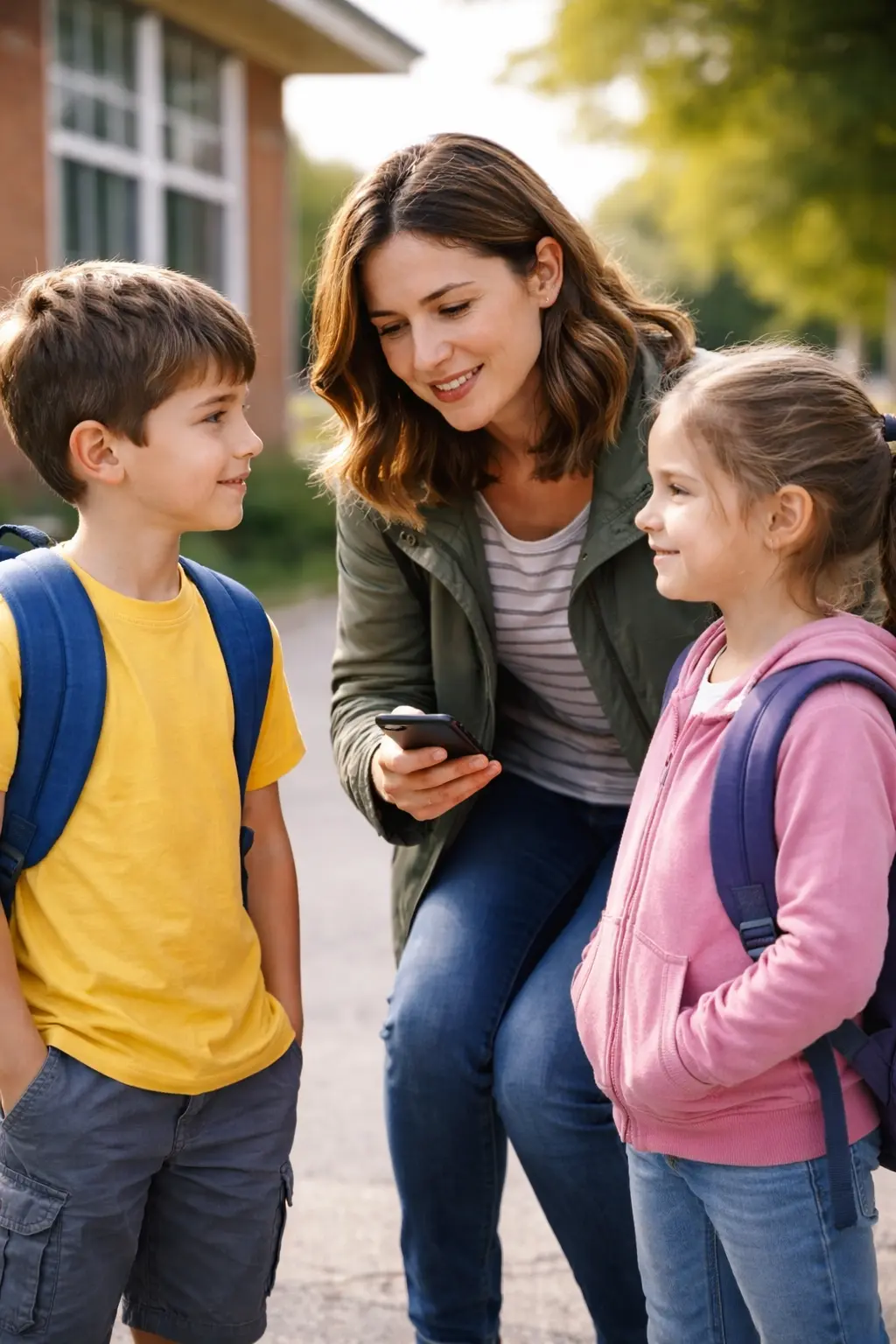
Helping children come home safely starts with routines, not fear.
For children aged 5–10, coming home from school, clubs, activities, relatives, or local outings can seem simple to adults, but it often involves many small safety skills. Children may need to remember where to go, who they are with, what time they should be back, what to do if plans change, and when to ask for help.
Teaching these skills early helps children feel more confident, more prepared, and more able to make safe decisions in everyday situations.
Why helping children come home safely matters
Many families focus on where a child is going, but the journey home matters just as much.
Coming home safely can involve:
-
walking with a parent, carer, sibling, or trusted adult
-
being collected from school or a club
-
travelling by bus, train, or car
-
returning from a friend’s house
-
moving between familiar places with slightly more independence
-
knowing what to do if someone is late or plans change
Even when children are not travelling alone, they still benefit from understanding simple safety routines.
Helping children come home safely is really about building awareness, predictability, and good help-seeking habits.
Start with clear routines and expectations
Children cope best when adults make routines clear.
Before a child leaves for school, a club, a play date, or another activity, they should know:
-
who is collecting them
-
where they are being collected from
-
what time they are expected home
-
what happens if there is a delay
-
who they should stay with while waiting
-
who they can ask for help if they are unsure
Children do not need vague instructions such as “be careful” or “don’t be late.”
They need simple, direct expectations such as:
-
“Wait by the school gate with your teacher.”
-
“Stay with the group until I arrive.”
-
“If plans change, I will tell the adult in charge.”
-
“If you are unsure, do not wander off. Ask for help.”
Clear routines reduce confusion.
Teach children the route in simple, age-appropriate ways
One important part of helping children come home safely is making sure they understand the journey in a way that matches their age.
That may include knowing:
-
the name of the place they are leaving
-
the name of the place they are going to
-
key landmarks
-
where to wait
-
which adult they should stay with
-
which roads, crossings, or transport points matter most
For younger children, this may simply mean recognising:
-
“We wait at this gate.”
-
“We stop at this crossing.”
-
“We stay with Nan until Mum comes.”
-
“We get off at this stop.”
For older children in this age group, adults may begin talking through simple route awareness in a more detailed way.
The goal is not independence too early. The goal is familiarity and calm preparation.
Helping children come home safely includes time awareness
Many children do not yet have a strong sense of time.
They may not realise when something is taking too long or when they should tell an adult that something is wrong.
It helps to teach children:
-
what time they are expected home
-
what “straight home” means
-
that they must tell an adult before going somewhere else
-
that they should not change plans because another child suggests it
-
that being late should always be explained, not hidden
Adults can use practical language such as:
-
“After football, you wait with the coach until I arrive.”
-
“You come straight home after school.”
-
“You do not go to someone’s house unless I have agreed it first.”
-
“If something changes, tell the adult with you.”
These are everyday boundary lessons as much as safety lessons.
Talk clearly about what to do if plans change
Children need to know that plans sometimes change, but safe adults handle changes clearly.
Teach children that if:
-
a parent is late
-
a club finishes early
-
the usual adult is not there
-
a friend invites them somewhere
-
transport is delayed
-
they feel confused about what to do
they should not guess or make up their own plan without checking first.
A useful message is:
Stop, stay where the safe plan says, and ask the right adult for help.
That might mean:
-
waiting with school staff
-
staying with the club leader
-
remaining at the agreed collection point
-
asking a trusted adult to contact home
-
staying in a public, visible place
Children are safer when they know that confusion is a signal to pause, not to improvise.
Teach children who the trusted adults are
Children should be very clear about which adults can help them if they are not sure what to do on the journey home.
Depending on the situation, that may include:
-
their parent or carer
-
a teacher
-
a teaching assistant
-
a club leader
-
a transport staff member in uniform
-
a police officer
-
another known safe adult already agreed by the family
It helps to be specific.
Children should know:
-
who normally collects them
-
who else is approved to collect them
-
that they should not go with an unexpected adult unless the safe plan has clearly been confirmed
-
that they can ask questions if they feel unsure
This is especially important when routines vary from day to day.
Go over transport and roadside safety as part of the journey home
Helping children come home safely is not only about time and routines.
It is also about the physical journey.
Depending on how a child gets home, they may need reminders about:
-
staying beside the trusted adult
-
waiting away from the kerb
-
using crossings properly
-
not running ahead near roads
-
holding hands where needed
-
staying together in busy places
-
waiting calmly at bus stops or stations
-
not getting distracted by phones, snacks, or other children
These practical reminders matter most when they are repeated often and linked to real situations.
Children learn best when adults model calm, consistent travel behaviour.
Prepare children for common everyday situations
Children usually feel safer when adults talk through likely situations in advance.
For example:
-
“What do you do if I am a few minutes late?”
-
“What do you do if another child asks you to go somewhere else?”
-
“What do you do if you cannot see the adult collecting you?”
-
“What do you do if the bus is crowded?”
-
“What do you do if you feel worried on the way home?”
Simple answers help.
For example:
-
“Stay where the safe plan says.”
-
“Tell the teacher, club leader, or safe adult.”
-
“Do not go off with someone else.”
-
“Do not try to solve it alone.”
-
“Ask for help early.”
This kind of calm rehearsal helps children respond more sensibly when something unexpected happens.
Schools and clubs can support safe home routines
Schools and after-school clubs also play an important role.
Children are more likely to come home safely when adults use consistent systems around:
-
collection points
-
named adults
-
sign-out procedures
-
clear communication if plans change
-
reminders about staying with the group until collection
-
support for children who become worried or confused
For some children, especially those who are easily distracted, anxious, impulsive, or new to a routine, extra support may be needed.
This might include:
-
repeated reminders
-
visual prompts
-
extra reassurance
-
confirming collection arrangements more clearly
-
checking that the child knows what happens next
Home and school routines work best when they support each other.
Avoid creating fear while still teaching safety
Children do not need frightening messages to learn sensible habits.
If adults over-focus on danger, children may become anxious rather than prepared.
A better approach is to teach that safe routines help everyone know what to do.
For example:
-
“We follow the plan so everyone knows where you are.”
-
“We tell someone if plans change.”
-
“We stay with safe adults.”
-
“We do not go off without checking.”
This keeps the message calm, practical, and age-appropriate.
Helping children come home safely is about building confidence through clear structure.
When a child may need extra support
Some children need more time and practice with coming-home routines.
This may be especially true for children who:
-
struggle with attention
-
are impulsive
-
become anxious when plans change
-
have communication difficulties
-
find time concepts hard
-
are easily led by other children
-
find transitions difficult
These children may benefit from:
-
very short instructions
-
repeated routines
-
visual reminders
-
practice runs
-
agreed scripts for what to say if unsure
-
extra communication between home and school
The goal is not to rush independence.
The goal is to help the child feel safe and successful in small steps.
Final thoughts
Helping children come home safely and on time is not about giving one big lecture.
It is about building simple routines, clear expectations, trusted-adult awareness, and calm decision-making over time.
When parents, schools, and clubs use consistent messages, children are better able to follow the plan, ask for help when needed, and return home feeling safe and secure.
These small everyday habits build strong lifelong safety foundations.
You can explore the books here
Professionals and parents can also access structured safeguarding resources here
You can explore our Toolkits here