
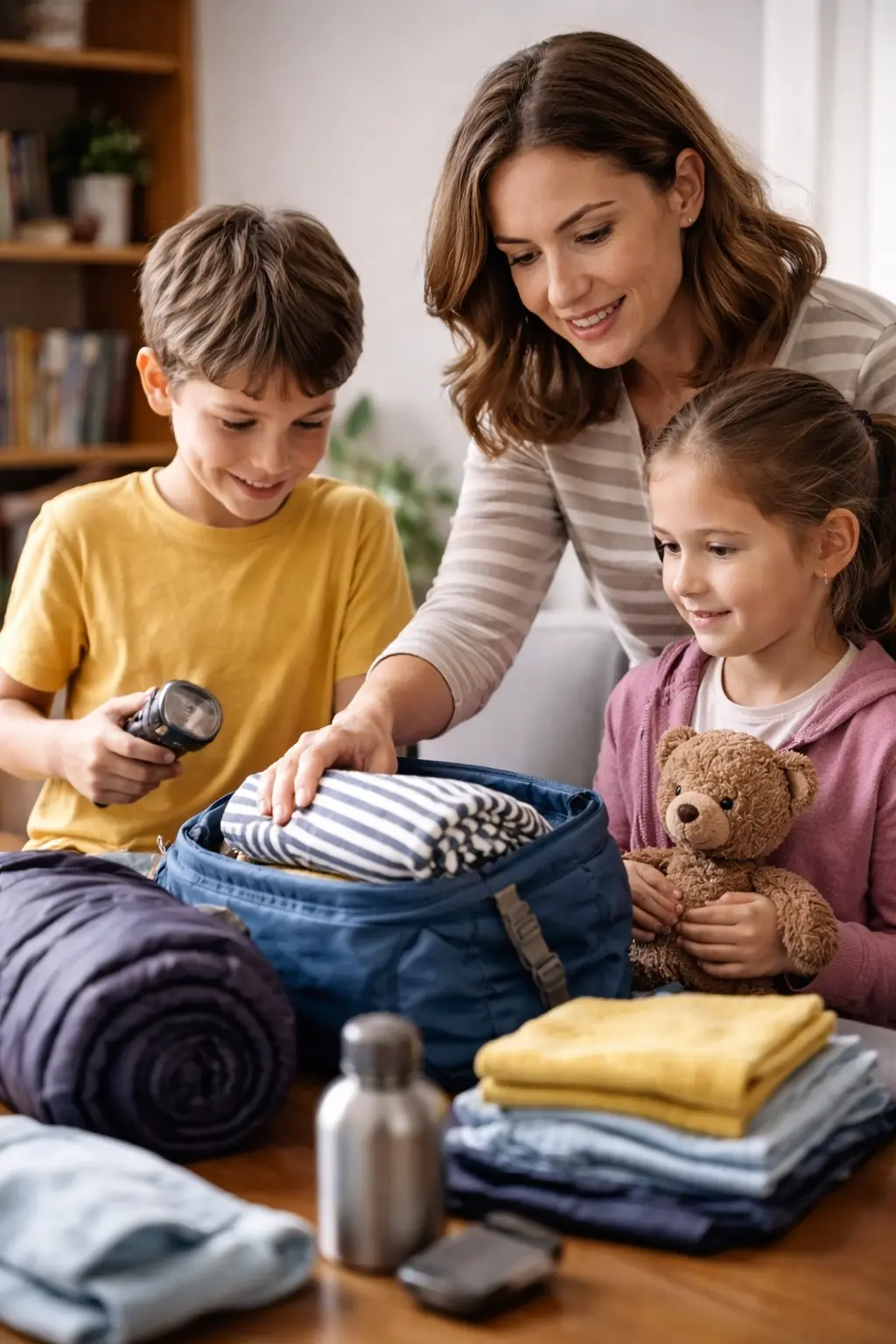
School trip safety for children starts before the trip begins.
For many children, a school trip, residential, camp, or overnight stay feels exciting and unsettling at the same time. They may look forward to new activities, being with friends, and having more independence, while also worrying about sleeping away from home, following routines in a different place, or knowing what to do if something feels wrong.
Preparing children well is not about making them nervous. It is about helping them feel safe, informed, confident, and ready.
Why school trip safety for children matters
Children aged 5–10 often cope best when adults explain things clearly before the event.
A trip or overnight stay can involve many things that feel new, including:
-
unfamiliar adults
-
different sleeping arrangements
-
shared bathrooms or changing spaces
-
bus or coach travel
-
outdoor activities
-
group rules
-
bedtime away from home
-
separation from parents or carers
-
needing to ask for help in a new environment
Good school trip safety for children includes preparation, trusted adults, clear boundaries, and calm routines. When adults prepare children in advance, children are more likely to feel secure and more able to speak up if they need support.
School trip safety for children starts with clear preparation
Before talking about feelings or safety rules, it helps to give children a clear picture of what the trip will involve.
Keep it simple and concrete.
Children usually feel more settled when they know:
-
where they are going
-
who is going with them
-
how long they will be there
-
where they will sleep
-
what the day might look like
-
who they can go to if they need help
-
when they will come home
Many worries shrink once a child can picture the plan.
If possible, use school letters, visual schedules, or simple step-by-step explanations so the child knows what to expect.
Talk about feelings as well as practical details
Even confident children can feel nervous before being away from home.
Some children may worry about:
-
missing home
-
sleeping in a new place
-
toilets or washing
-
being laughed at
-
not knowing what to do
-
being left out
-
getting something wrong
-
not finding the right adult when they need help
Let children know that mixed feelings are normal.
You might say:
-
“It is okay to feel excited and nervous at the same time.”
-
“Lots of children worry before a trip.”
-
“If something feels hard, there will be adults there to help.”
-
“You do not have to handle every problem by yourself.”
This gives children permission to be honest rather than pretending they are fine.
Teach children who the trusted adults are
One of the most important parts of school trip safety for children is making sure they know exactly which adults are there to help them.
Children should know:
-
the teacher or school adult leading the trip
-
other staff members helping supervise
-
where to find an adult if they are unsure
-
that they can ask for help more than once if needed
Some children benefit from very direct language such as:
-
“If you feel worried, find your teacher straight away.”
-
“If you cannot find your main adult, go to another school adult.”
-
“If you feel unwell, upset, or unsure, tell an adult early.”
It is helpful to remind children that asking for help is not causing trouble. It is part of staying safe.
Go over boundaries in a calm, clear way
Trips and overnight stays often involve shared spaces, different routines, and less privacy than children are used to.
That is why it is important to talk clearly about boundaries before the trip.
Children should be reminded that they can speak up if they feel uncomfortable about:
-
physical closeness
-
rough play
-
bathroom privacy
-
changing clothes
-
sleeping arrangements
-
jokes or dares
-
being told to keep something secret
-
being pressured by other children
Helpful messages include:
-
“Your body belongs to you.”
-
“You can tell an adult if something feels wrong or uncomfortable.”
-
“You do not have to join in with silly, risky, or unkind behaviour.”
-
“Safe adults do not ask children to keep safety secrets.”
This keeps the conversation practical and protective.
Prepare children for group behaviour and social situations
Many trip worries are social rather than physical.
Children may need support with:
-
taking turns
-
sharing space
-
following instructions
-
coping if friendship groups change
-
being kind to others
-
managing noise and excitement
-
not joining in with teasing or exclusion
-
telling an adult if another child is upsetting them
Trips can bring out strong emotions in children because they are tired, excited, and out of routine.
It helps to prepare children by saying that good trip behaviour includes:
-
staying with the group
-
listening the first time
-
speaking respectfully
-
including others
-
asking before going anywhere
-
telling an adult if there is a problem
These are safety skills as well as behaviour skills.
Rehearse what to do if something goes wrong
Children do not need long lists of worst-case scenarios.
But they do benefit from simple rehearsal.
Talk through a few likely situations, such as:
-
feeling homesick
-
needing the toilet at night
-
not liking the food
-
losing something
-
feeling left out
-
getting worried during an activity
-
feeling unwell
-
being unsure where to go
-
another child behaving unkindly
Use simple, repeatable responses.
For example:
-
“Tell an adult early.”
-
“Stay where you are and ask for help.”
-
“Do not try to solve big worries by yourself.”
-
“If something feels wrong, tell again until someone helps.”
This helps children feel more capable without overwhelming them.
Think about sleep, routines, and comfort items
Overnight stays are often harder for children because routines change.
A child who manages well during the day may struggle more at bedtime.
It can help to prepare by thinking about:
-
familiar bedtime routines
-
pyjamas and wash things packed clearly
-
a comfort item if allowed
-
knowing where the toilets are
-
talking through how nighttime works
-
what to do if they wake up worried
-
how to ask for help quietly if needed
You do not need to promise that everything will feel easy.
It is enough to remind children that they can still ask for help even when they are tired or missing home.
How schools can support children before a trip
Schools play an important role in school trip safety for children.
Good preparation often includes:
-
clear information sent home
-
simple behaviour and safety rules
-
opportunities for children to ask questions
-
reminders about trusted adults
-
calm explanation of routines
-
reassurance that worries can be shared
For some children, especially those with anxiety, additional needs, communication differences, or previous negative experiences, extra preparation may be needed.
This might include:
-
visual supports
-
shorter explanations repeated more than once
-
talking through the environment in advance
-
agreeing who the child will go to first if they are worried
Preparation works best when home and school give the same core messages.
What parents can do without increasing worry
Parents often want to help, but too many warnings can sometimes make a child more anxious.
A calmer approach is usually better.
Helpful things parents can do include:
-
talk positively and realistically
-
answer questions simply
-
practise routines at home if needed
-
label belongings clearly
-
avoid passing on their own anxiety
-
remind the child who the trusted adults are
-
focus on simple safety steps rather than lots of “what ifs”
Children often borrow confidence from the adults around them. A steady tone helps.
When a child may need more support
Some children need more preparation than others.
A child may need extra support if they:
-
become very anxious about staying away
-
have strong separation worries
-
struggle with sleepovers or unfamiliar places
-
find group situations difficult
-
have communication or sensory needs
-
are likely to panic if routines change
In these cases, early communication between home and school is especially important.
Children do not all need the same level of independence at the same age. The goal is not to force confidence. The goal is to build it safely and gradually.
Final thoughts
School trip safety for children is not only about rules on the day.
It is about helping children feel prepared before they leave home. Clear preparation, trusted-adult guidance, calm boundary reminders, and simple safety routines all help children feel more secure and more able to speak up if something feels wrong.
When parents and schools prepare children well, school trips, residentials, camps, and overnight stays are far more likely to feel positive, safe, and manageable.
You can explore the books here
Professionals and parents can also access structured safeguarding resources here
You can explore our Toolkits here