
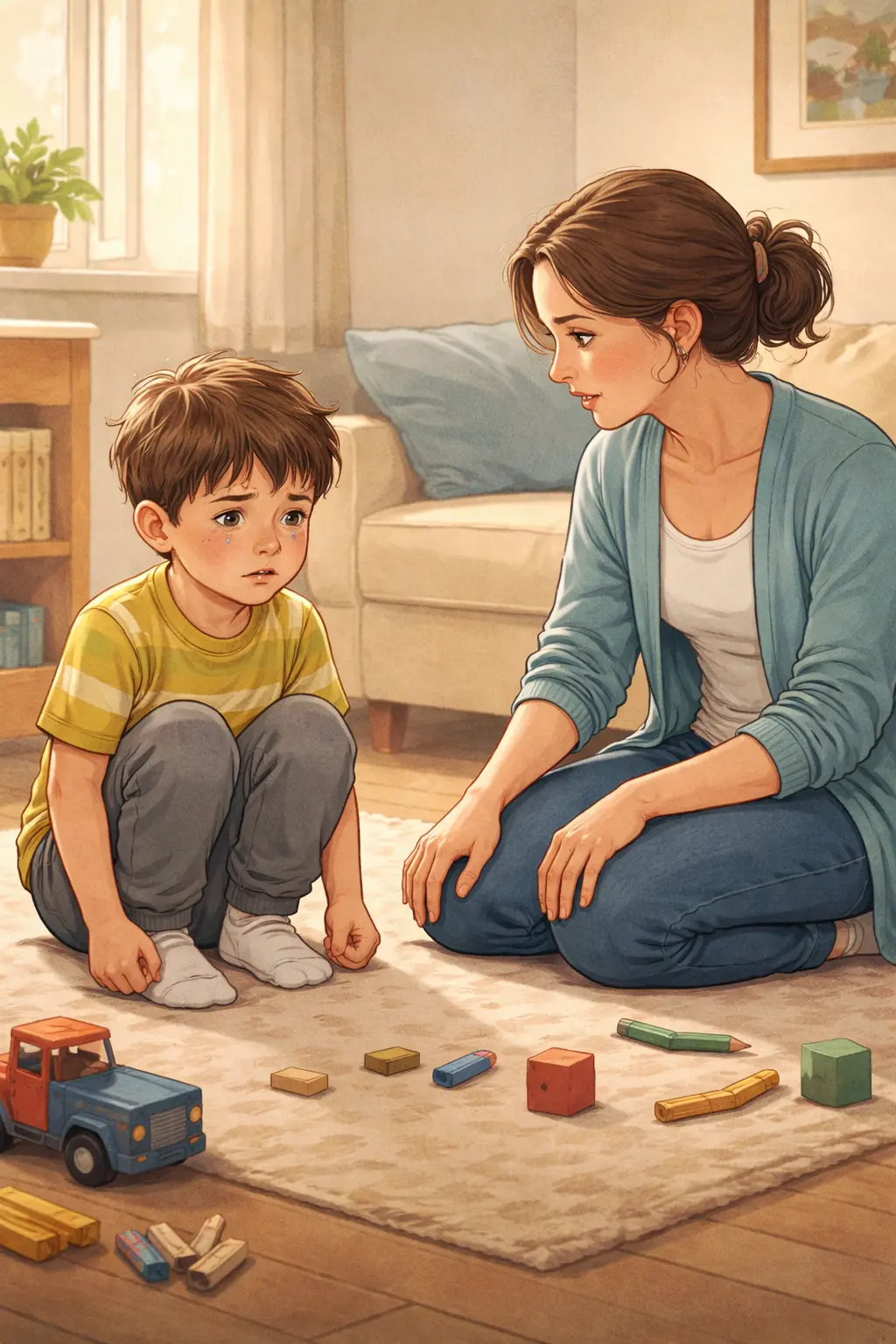
Aggression in young children can feel shocking, upsetting, and hard to understand.
A child may hit, shout, lash out, threaten, throw things, or seem unusually harsh in the way they speak to others. For adults, it can be tempting to focus only on stopping the behaviour as quickly as possible.
But aggression in young children is often telling us something important.
It may be a sign that a child feels overwhelmed, frightened, confused, dysregulated, frustrated, ashamed, or unable to explain what is going on inside them.
That does not make hurtful behaviour acceptable. Boundaries still matter. But when adults look beneath the behaviour as well as responding to it, they are more likely to give a child the right kind of help.
Why Aggression in Young Children Should Never Be Ignored
Aggression in young children is not always “just bad behaviour.”
Sometimes it can be linked to:
-
difficulty expressing feelings
-
frustration or sensory overload
-
sudden changes at home or school
-
grief, fear, or uncertainty
-
unmet emotional needs
-
copying behaviour they have seen elsewhere
-
feeling unsafe, powerless, or out of control
Children do not always have the language to explain distress clearly. Behaviour may become the way they communicate it.
That is why adults should notice patterns early rather than waiting for the behaviour to become more serious.
What Aggression in Young Children Can Look Like
Aggression in young children can appear in different ways.
It might include:
-
hitting, kicking, or pushing
-
throwing toys or objects
-
shouting, swearing, or threatening
-
damaging belongings
-
being unusually controlling with other children
-
reacting strongly to small frustrations
-
hurting others during play
-
seeming unable to calm down after becoming upset
Some children show aggression loudly. Others seem calm one moment and then suddenly explode.
In both cases, the behaviour is worth paying attention to.
Look for the Feeling Under the Behaviour
When adults respond only to the surface behaviour, they can miss what is driving it.
A child who becomes aggressive may actually be feeling:
-
anxious
-
embarrassed
-
rejected
-
overstimulated
-
jealous
-
powerless
-
exhausted
-
confused
Looking underneath the behaviour does not excuse it. It helps explain it.
And when behaviour makes more sense, adults are in a better position to respond with both firmness and care.
Stay Calm First
Aggressive behaviour can trigger a strong emotional reaction in adults.
But if the adult becomes louder, more threatening, or more reactive, the child may escalate further.
A calmer response might sound like:
-
“I’m not going to let you hurt anyone.”
-
“I can see you’re overwhelmed.”
-
“We need to stop and calm down.”
-
“You are safe, but this behaviour is not safe.”
-
“When you’re ready, I’ll help you talk about it.”
This kind of response sets a boundary while also showing the child that the adult is still in control.
Notice the Pattern, Not Just the Incident
A single angry moment does not tell you everything.
Try to notice:
-
when the aggression happens
-
who it happens around
-
what tends to come just before it
-
whether the child is hungry, tired, anxious, or overstimulated
-
whether there are school, friendship, or family changes happening
-
whether the child struggles more in busy, noisy, or demanding situations
Patterns can reveal whether aggression is linked to fear, frustration, transitions, sensory stress, social difficulty, or something else that needs support.
Keep Boundaries Clear and Simple
Children need adults to be calm, but they also need adults to be clear.
That means saying things like:
-
“It is okay to feel angry. It is not okay to hurt.”
-
“You can tell me you’re upset, but you cannot hit.”
-
“We are going to pause now and make this safe.”
-
“I will help you, but I won’t let you frighten other people.”
Clear boundaries help children feel safer, not less supported.
When adults are predictable, children begin to learn that feelings can be managed without causing harm.
Help the Child Build Better Ways to Express Big Feelings
Once the child is calm, the focus can shift to teaching.
This may include helping them learn to:
-
name their feelings
-
ask for space or help
-
recognise body signs of anger
-
use simple calming strategies
-
repair harm after hurting someone
-
practise safer ways of expressing frustration
These skills take time.
Children usually need repeated guidance, not one big talk.
When Aggression May Be a Sign of Something More
Sometimes aggression in young children is a sign that extra support is needed.
Adults should pay closer attention if:
-
the behaviour is frequent or escalating
-
the child seems unable to calm down after incidents
-
aggression is affecting school, friendships, or home life
-
the child seems distressed underneath the behaviour
-
there are worries about trauma, fear, bullying, or neglect
-
the behaviour feels out of character or developmentally unusual
NHS advice says parents should seek help if anger becomes out of control or aggressive, including support through a GP, health visitor, school nurse, or specialist services where needed.
Working Together Matters
Aggression is easier to understand when adults share information.
Parents, carers, and schools may each be seeing different parts of the picture.
A child who seems explosive at school may be anxious at home. A child who appears settled in class may be releasing everything later in the day.
When adults communicate early, they are more likely to spot patterns, reduce triggers, and give the child steady support across environments.
Final Thoughts
Aggression in young children is not something to ignore, but it is also not something to view only as defiance.
Very often, it is a signal.
It may be telling us that a child feels overwhelmed, unsafe, dysregulated, frustrated, or unable to cope with big feelings in a healthy way.
When adults respond with calm boundaries, curiosity, and early support, children have a much better chance of learning safer behaviour, stronger emotional regulation, and better ways to communicate what they need.
You can explore the books here
Professionals and parents can also access structured safeguarding resources here
You can explore our Toolkits here